
MCB students and faculty regularly participate in or host events designed to help strengthen and sustain a culture of inclusion and belonging.
Philosophy & Purpose
The MCB Community & Culture Committee brings together faculty, staff, postdocs, and students to foster an equitable, accessible, and welcoming environment where everyone can thrive in their work. The committee advises departmental leadership and supports programming that strengthens community culture and values the people who make up the department.

Events & Volunteer Opportunities
Connect with the department and local communities through outreach.
- Annual department-hosted iBio Conference
- Monthly Department Social Hour & Coffee Hour
- STEM outreach focused on Kindergarten to Middle School in the East Bay
- Volunteer teaching program at San Quentin Rehabilitation Center

Undergraduate Research
Opportunities for undergraduate students to connect with the MCB department.
- Summer Research Programs (Amgen Scholars Program, NSF REU)
- UC Berkeley Post-Baccalaureate Research Program (PREP@UC Berkeley)
- Inclusive Excellence Summer Research Experience
- For UC Berkeley students:

Prospective Graduate Students
Programs or events to meet with members of the MCB department.
-
- SACNAS National Diversity in STEM Conference
- Annual Biomedical Research Conference for Minority Students (ABRCMS)
- See Científico Latino, Project Short for more resources on applying to graduate school
- At UC Berkeley:

MCB Graduate Students
Graduate students at MCB are often the heart of community events in the department.
- MCB Graduate Student Organization (GSO)
- MCB Grad Student Network (MGN)
- Inclusive MCB+
- MCB Graduate Student and Alumni Association (GSAA)
- STEM*FYI Program

MCB Postdoctoral Scholars
Opportunities for MCB postdocs to engage in the department and larger Berkeley community.
- Berkeley Postdoctoral Association
- MCB Industrial Affiliates Program
- MCB Postdoc Lunch Club
- Postdoc Funding Opportunities
- Berkeley Lab & UC Berkeley Postdoc Career Development Symposium
- MCB Postdocs Research Showcase

MCB Faculty
MCB faculty care about creating an inclusive environment within the department.

MCB Administrators and Staff
Administrators and staff are important members of our community and stewards of department culture.
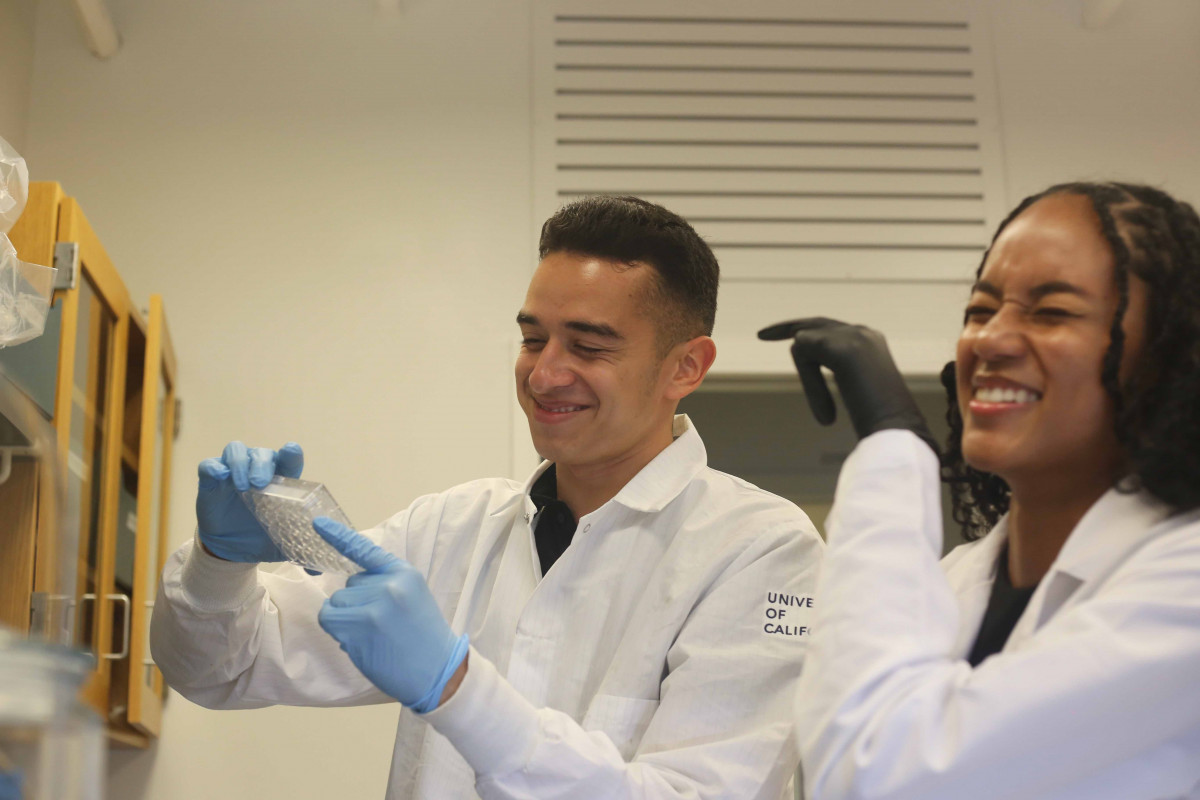


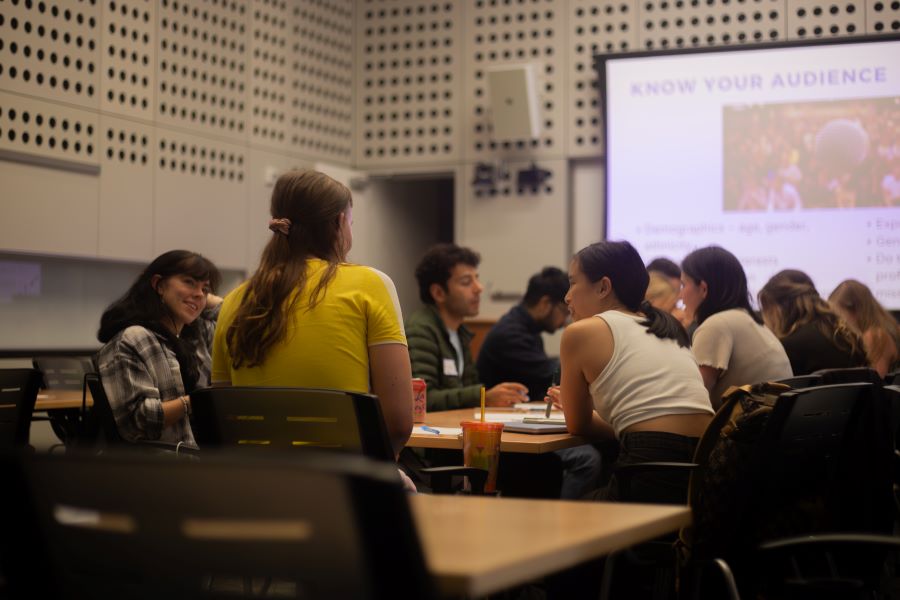

We are excited to announce the recipients of the 2026 MCB Lisa Eshun-Wilson Community Award. This award recognizes outstanding contributions by MCB graduate students and postdocs who demonstrate exceptional leadership and a deep commitment to strengthening our department’s sense of connection and collaboration through community engagement and mentorship.
✨ Congratulations to our 2026 Winners!! ✨
Learn about winners from previous years here.

Izaiah Ornelas, PhD Candidate, Nuñez Lab
Expanded access to molecular biology for community college, CSU, and undergraduate students, particularly first-generation and transfer students, through outreach efforts including CRISPR-based demonstrations, mentoring for summer research internships, and lab tours at UC Berkeley. His work focuses on making research pathways more transparent and attainable for students from underrepresented backgrounds, grounded in a mentorship approach centered on trust, listening, and meeting students where they are.

Julia Falo-Sanjuan, PhD, Postdoctoral Scholar, Eisen and Garcia Labs
Strengthened postdoctoral and graduate community through hosting monthly coffee hours, serving as the GGED postdoc representative, being an elected leader in the Union of Academic Workers at UC and supporting trainees through diversity-focused programs such as PREP and CalBridge. Her work emphasizes mentorship, community building, working with other researchers to improve academia and supporting students from underrepresented backgrounds as they prepare for and succeed in graduate training.

A note from Dr. Lisa Eshun Wilson
In 2018, I launched iMCB with the mission to enhance every student’s sense of belonging. I believed that if we as an institution implemented evidence-based, sustainable strategies to improve diversity, equity and inclusion efforts on campus, we could transform the institutional culture and alleviate the diversity tax on our marginalized students. It was an ambitious goal, but as a hub for social justice and innovation, Berkeley was the perfect place to cultivate a sense of belonging for historically underrepresented students, specifically those susceptible to institutional bias.
General Resources
- Berkeley Division of Equity & Inclusion
- Berkeley Disability Services
- Berkeley Affinity Groups and Diversity Initiatives
- Berkeley Health & Safety
- Berkeley Student Parent Center
Activities and Organizations
- Berkeley Thriving Initiatives
- Society for the Advancement of Hispanics/Chicanos and Native Americans in Science (SACNAS)
- oSTEM (LGBTQ+ students STEM professional and social network)
- Alliance for Diversity in Science and Engineering (ADSE)
- Berkeley United Scientists (BUS)
Health and Wellbeing
- MCB Health and Wellbeing
- Berkeley Health Services | Mental Health
- Graduate Wellness Center
- Graduate Student Mental Health
Safety and Incident Reporting
- Berkeley Supportal
- Ombuds Office for Students & Postdoctoral Appointees
- Sexual Harassment, Violence Support and Education
Questions? Contact Aubrey Green, Director of Community & Belonging, aubreygreen@berkeley.edu